At-Home Modalities: An Overview
When it comes to at-home interventions such as ice, heat, posture changes, and over-the-counter medications, there is no single approach that works for everyone [1]. These tools can be helpful, but their effectiveness depends on many individual factors, including age, severity and duration of symptoms, activity level, occupational demands, underlying medical or autoimmune conditions, and personal goals [2].
There is also ongoing discussion and debate among healthcare professionals regarding the optimal use of these modalities [3]. Because of this, the guidelines provided here are intended to serve as general recommendations—not rigid rules. Your response to each intervention matters, and these strategies may be adjusted based on how your body reacts and the guidance of your healthcare provider [4].
Primary Principle
Bias natural healing and healthy habits—such as regular movement and exercise, walking, quality sleep, stress management, and nutritious food—while using at-home interventions to promote tolerable pain levels, improved function, and better sleep [5]. These tools should be viewed as supportive, short-term aids with the goal of gradually reducing reliance on them as your body becomes more resilient and capable [6].
At-home modalities are most effective when they complement, not replace, an active rehabilitation plan focused on restoring movement, strength, and confidence in your body [7].
1. Medications: Tylenol and NSAIDs
Guiding Questions:
- Are you experiencing pain that limits your daily activities?
- Is the pain mild to moderate, or severe and debilitating?
Considerations:
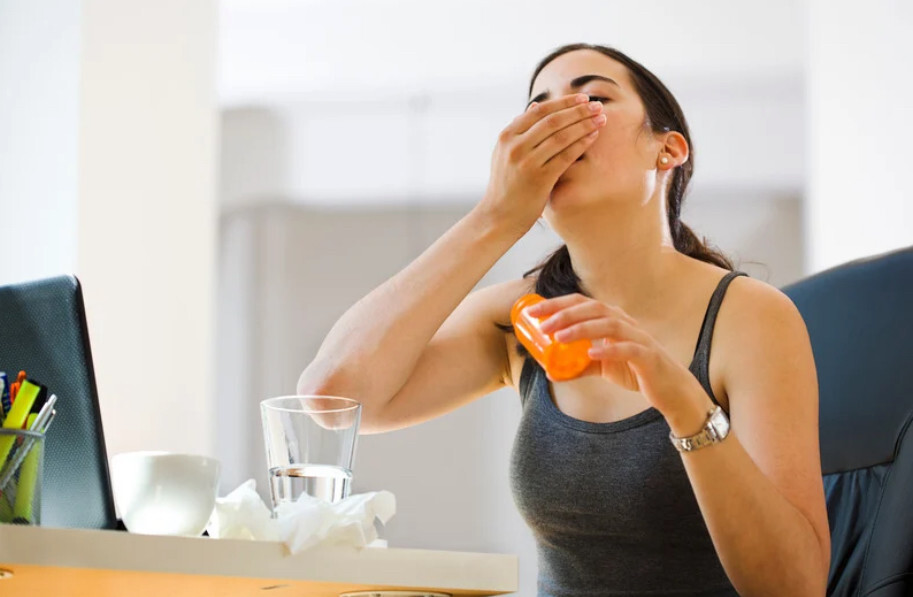
- Tylenol (Acetaminophen): Often recommended for mild to moderate pain. It helps with pain relief without anti-inflammatory effects. It’s generally safer for those who need to avoid anti-inflammatory medications [8].
- NSAIDs (Ibuprofen, Naproxen): These reduce inflammation and are effective for pain relief. However, chronic use can potentially slow down healing and may lead to tissue weakening over time, as well as gastrointestinal, cardiovascular, and renal risks [9].
Recommendations:
- Use NSAIDs for acute, inflammatory pain, but avoid long-term use to prevent adverse effects [10].
- Opt for Tylenol if inflammation is not the main issue or if you need a gentler option [8].
2. Modalities: Ice and Heat
Guiding Questions:
- Is your pain associated with recent injury or inflammation?
- Are you dealing with chronic pain or stiffness?
Considerations:
- Ice: Helps reduce blood flow and inflammation. Best used within the first 48 hours after an acute injury to control inflammation [3].
- Heat: Increases blood flow and can help relax muscles. Best for chronic pain or stiffness, but should be used cautiously if inflammation is present [11].
Recommendations:
- For recent injuries with significant inflammation, use ice to minimize swelling [3].
- For chronic muscle tension or stiffness, use heat to promote relaxation and blood flow [11].
3. Posture and Movement
Guiding Questions:
- Are you spending long periods sitting or in one position?
- Do you have trouble sleeping or find certain positions uncomfortable?
Considerations:
- Sitting Posture: Maintain a neutral spine. Use ergonomic chairs, take regular breaks, and avoid prolonged static positions [12].
- Sleeping Posture: Choose a position that supports spinal alignment. Use supportive pillows and a mattress that fits your sleeping style [13].
Recommendations:
- Stay active throughout the day with regular movement, even if it’s just short walks [6].
- Prioritize comfort and alignment for quality sleep, and combine that with daytime rehabilitation exercises [5].
4. Considerations for Autoimmune Conditions and Other Health Issues
Guiding Questions:
- Do you have an autoimmune condition, such as rheumatoid arthritis, lupus, or multiple sclerosis?
- Are you dealing with chronic inflammation or tissue sensitivity?
Considerations:
- Autoimmune Conditions: Individuals with autoimmune conditions often experience heightened inflammatory responses. In these cases, using ice can be beneficial to reduce inflammation, and heat should be used carefully to avoid exacerbating inflammation [14].
- Chronic Conditions: For those with chronic conditions, like fibromyalgia or chronic fatigue syndrome, gentle heat may help with muscle relaxation, but it’s important to balance and monitor how the body responds [15].
Recommendations:
- Ice: Typically recommended for acute flare-ups to control excessive inflammation [14].
- Heat: Use cautiously, and consider low, gentle warmth rather than high heat to avoid triggering flare-ups [15].
- Medications: Be mindful of how NSAIDs and other medications interact with autoimmune conditions. Always consult a healthcare provider before starting or altering any medication regimen [2].
Wagner Sports Chiropractic
At Wagner Sports Chiropractic, we help active individuals and athletes in Lubbock, Texas move better, recover faster, and perform at a higher level. Whether you’re dealing with pain, a nagging injury, or looking to elevate your performance, our team is here to guide you from injury back to confidence and capability.
If you’re searching for a sports chiropractor in Lubbock, our clinic blends chiropractic care, rehabilitation, exercise programming, and soft-tissue therapies into one comprehensive approach. We don’t just treat symptoms—we identify movement limitations, restore function, and build resilience so your body is better prepared for the demands of life and sport.
References
- Van Tulder M, Becker A, Bekkering T, et al. European guidelines for the management of acute nonspecific low back pain. Eur Spine J. 2006;15(Suppl 2):S169–S191.
- Kolasinski SL, Neogi T, Hochberg MC, et al. 2019 ACR/Arthritis Foundation guideline for osteoarthritis management. Arthritis Care Res. 2020;72(2):149–162.
- Bleakley CM, Glasgow P, MacAuley DC. PRICE needs updating, should we call the POLICE? Br J Sports Med. 2012;46(4):220–221.
- Deyo RA, Mirza SK, Turner JA. Overtreating chronic back pain. J Am Board Fam Med. 2015;22(1):62–68.
- American College of Sports Medicine. ACSM’s Guidelines for Exercise Testing and Prescription. 11th ed. 2021.
- Foster NE, Anema JR, Cherkin D, et al. Prevention and treatment of low back pain. Lancet. 2018;391(10137):2368–2383.
- Saragiotto BT, Maher CG, Yamato TP, et al. Motor control exercise for nonspecific low back pain. Cochrane Database Syst Rev. 2016;(1):CD012004.
- Machado GC, Maher CG, Ferreira PH, et al. Efficacy and safety of paracetamol. BMJ. 2015;350:h1225.
- da Costa BR, Reichenbach S, Keller N, et al. NSAIDs for osteoarthritis pain. Lancet. 2017;390(10090):e21–e33.
- Bally M, Dendukuri N, Rich B, et al. Risk of myocardial infarction with NSAIDs. BMJ. 2017;357:j1909.
- Nadler SF, Weingand K, Kruse RJ. Cryotherapy and thermotherapy. PM&R Clin N Am. 2004;15(2):395–409.
- Shariat A, Cleland JA, Danaee M, et al. Sitting posture and musculoskeletal pain. J Bodyw Mov Ther. 2018;22(2):372–378.
- Gordon SJ, Grimmer-Somers K, Trott P. Pillow use and spinal posture. J Pain Res. 2011;4:247–256.
- Smolen JS, Aletaha D, McInnes IB. Rheumatoid arthritis. Lancet. 2016;388(10055):2023–2038.
- Clauw DJ. Fibromyalgia: A clinical review. JAMA. 2014;311(15):1547–1555.
Dr. Grant Wagner
Contact Me